




Whoa! Mid-swap panic is a terrible feeling. Seriously? Yeah — been there. I watched a trade I thought was safe dissolve into dust because some bot slipped in and skimmed value before my transaction confirmed. At first I shrugged it off as beginner’s bad luck, but then I noticed the same pattern across different DEXes, and something felt off about relying on “hope” as a security model. Initially I thought gas and slippage settings were the whole game, but then realized MEV is a structural risk that needs different tools and thinking.
Okay, so check this out—MEV (miner/maximum extractable value) isn’t just theory. It changes the economics of every DeFi interaction. On one hand, it’s a fascinating market force that can improve liquidity in some contexts. On the other hand… it can quietly eat your gains, or worse, turn a harmless-looking trade into a loss. My instinct said wallets should do more than submit raw transactions. Actually, wait—let me rephrase that: wallets should actively defend users from extractable value strategies, and the good ones already are.
What MEV looks like in the wild
Short story: front-running (sandwich attacks), back-running, and reorgs. Medium story: bots monitor mempools, then craft transactions that sandwich your swap with buys and sells to capture slippage. Longer thought: when you combine complex routes, high slippage tolerance, and a congested mempool, you create a buffet for searchers who run sophisticated strategies and private relays to guarantee extraction—so you need tools that simulate and block those tactics before you sign.
Here’s what bugs me about most wallet UX: it asks for permission to spend tokens, then hands your raw transaction to any relay in the public mempool without telling you the cost of that exposure. That feels like leaving the house with the door unlocked. I’m biased toward tools that simulate execution paths and flag MEV risk up front. In practice, that means seeing the exact token flows, gas priorities, and whether a private bundling could avoid being front-run.
Okay—real talk. Not all MEV is avoidable, and some methods to avoid it introduce trade-offs. Private relays like Flashbots can keep your transaction out of the public mempool, but they funnel activity through centralized endpoints. That reduces front-running but creates concentration risk. On the flip side, strategies like low-priority gas settings might avoid bot attention but expose you to failed or delayed execution. On one hand you reduce immediate sandwich risk; on the other hand you might miss a time-sensitive arbitrage or liquidations. So you balance. You always balance.
Wallet-level defenses that matter
Simulation first. Before you sign, see the exact output you will receive, after fees and potential slippage. Simulations should model sandwich attacks and mempool adversaries. If a wallet can show a “simulated worst-case” alongside the optimistic scenario, you can make measured choices. I’ve used wallets that simulate complex interactions and it changes behavior. Really changes it.
Transaction bundling and private relays. These route your tx directly to validators or searchers that agree not to MEV-exploit you, or to include your tx in an ordered bundle that preserves execution fairness. It reduces mempool exposure. But: you’re trading some decentralization. Is that acceptable? For most retail traders on time-sensitive swaps, the reduction in slippage and failed trades is worth it.
Nonce and pending-tx management. Fancy, yes—yet practical. If your wallet shows pending transactions, lets you reorder or cancel them, and warns about nonce gaps, you avoid accidental double-spends or stale sequenced transactions being exploited.
Simulation + gas profiling. The wallet should recommend gas strategies based on both network and attacker behavior, not just raw speed. Use conservative gas estimates to avoid reverts, but be wary of overpaying when bots only need to reorder your transaction.
Hardware and multisig compatibility. Protect private keys; that goes without saying. But I’m noting it because MEV protection is useless if the signing key is compromised. Use hardware wallets or multisig setups for large exposures. Oh, and approvals: limit allowances. Don’t give infinite approvals unless you absolutely have to. Somethin’ will go wrong sooner or later, and revoking allowances is often tedious—so be proactive.
How to assess protocol risk before you trade
TVL and activity matter. High TVL and active liquidity generally lower slippage and reduce the surface area for opportunistic searchers. But don’t be fooled: a thin AMM pool with a long route through multiple DEXes is MEV bait. Check the route. Simulate. If a single large trade touches several low-liquidity pools, expect searchers to perfume the mempool with strategies that extract value.
Audits and upgradeability. Who controls the admin keys? Is there a timelock? Protocols that can be upgraded by a single key are riskier. On one hand, quick upgrades enable fast fixes; on the other hand they create operator risk. My working approach: treat upgradeable protocols as higher risk for large trades unless the operator is an audited DAO with transparent governance.
Oracles and composability. If price feeds can be manipulated, complex strategies can be orchestrated to exploit you. When you interact with synthetic assets or highly composable stacks, assume more attack vectors need simulation. Also, wrapped tokens and bridges add systemic risk—cross-chain MEV and reorgs are nasty. Hmm… avoid moving huge sums across new bridges without deep due diligence.
Practical checklist before hitting confirm
– Run a full simulation of the transaction, including “worst-case” mempool scenarios.
– Lower slippage tolerances where practical; set deadlines for execution.
– Use private relays/bundles for larger or time-sensitive trades.
– Restrict token approvals and periodically revoke unused allowances.
– Prefer wallets that surface pending tx status, simulation results, and gas profiles.
– Use hardware wallets or multisig for custodial resistance.
– Consider splitting large trades into smaller chunks or using limit-style mechanisms when available.
I’ll be honest: some of this is friction. It slows you down. But speed without protection is expensive. Think of it like wearing a seatbelt. It’s a tiny bit of annoyance until it isn’t.
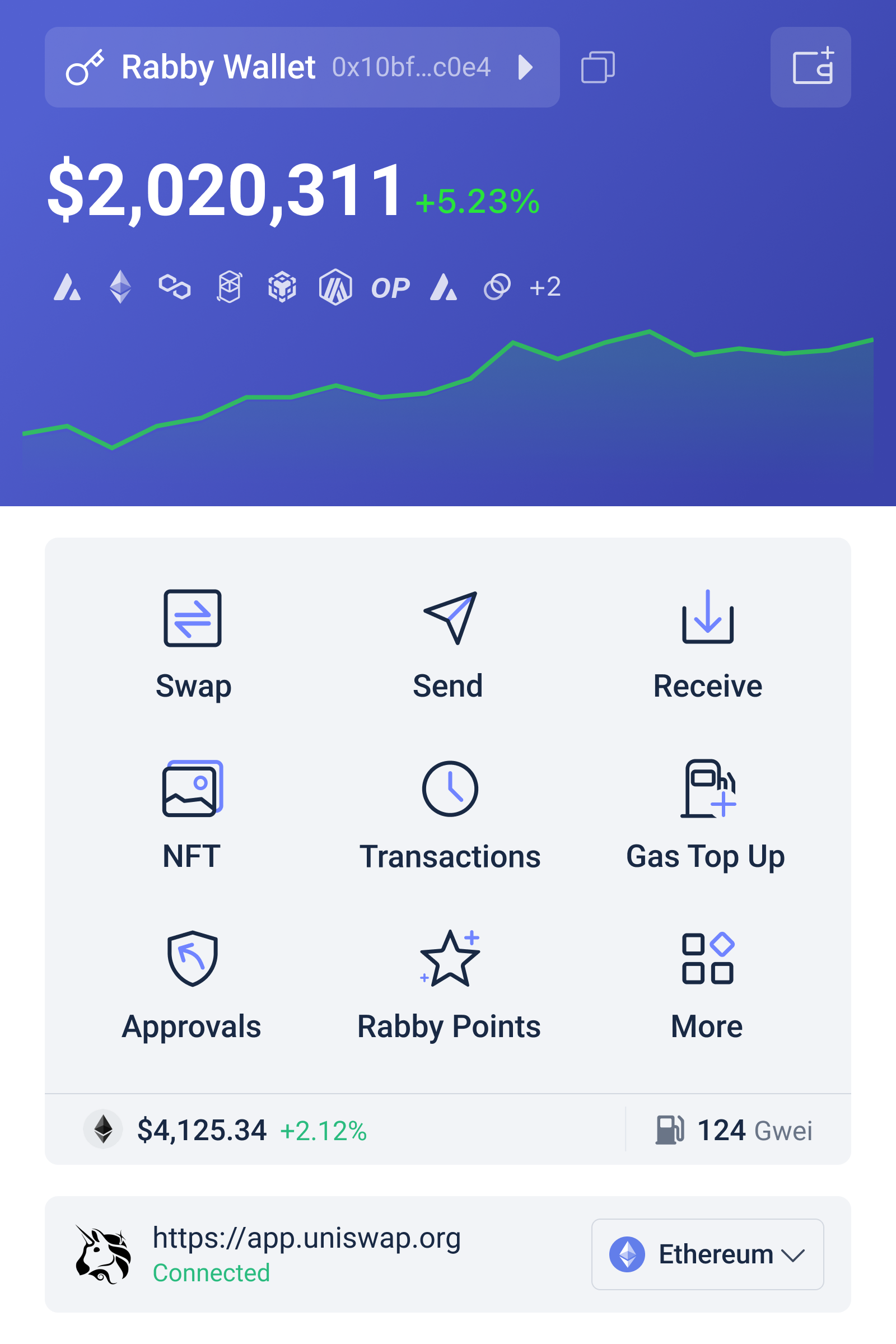
One practical tool I started recommending to friends is a wallet that integrates transaction simulation and visible MEV defenses, so users can see how a swap will play out before it leaves their device. For me, that combination of transparency and mitigation is what separates casual wallets from ones I trust for non-trivial DeFi activity. If you want a quick way to check both simulation and safer routing, try a wallet that emphasizes these features, like rabby wallet, which surfaces simulations and safer routing choices in the UI. That said, always double-check and use your judgment.
Trade-offs and the ethics of protection
On one hand, MEV mitigation tools protect users. Though actually, they can also create new asymmetries—searchers and relays consolidate power, potentially capturing more systemic value. There’s no perfect answer. It’s a game of shifting attack surfaces. For some users, avoiding centralization is paramount. For others, preventing a 2–5% immediate hit on a swap matters more. I’m not 100% sure where the consensus should land; different users value different guarantees.
Also, keep an eye on evolving standards. Flash-freezing mempool policies, improved consensus mechanisms, and private transaction standards are changing fast. Wallets and protocols will iterate. Expect more built-in protections, and expect attackers to adapt. It’s a cat-and-mouse game, but better tooling raises the bar.
FAQ
What exactly is MEV and why should I care?
MEV stands for miner/extractable value; it’s the profit searchers can extract by reordering, inserting, or censoring transactions in a block. You should care because it can increase slippage, cause failed trades, or convert profitable maneuvers into losses—especially for complex DeFi interactions.
Can wallets really stop MEV?
They can’t stop it completely, but modern wallets can reduce exposure by simulating outcomes, using private relays or bundles, managing nonces and pending transactions, and recommending safer gas strategies. These measures cut many common exploit vectors.
When should I use private relays or bundles?
Use them for larger trades, time-sensitive orders, or multi-hop swaps where public mempool exposure would be costly. For tiny swaps the overhead might not be worth it. Balance is key: private relays reduce front-running but centralize routing to some extent.